
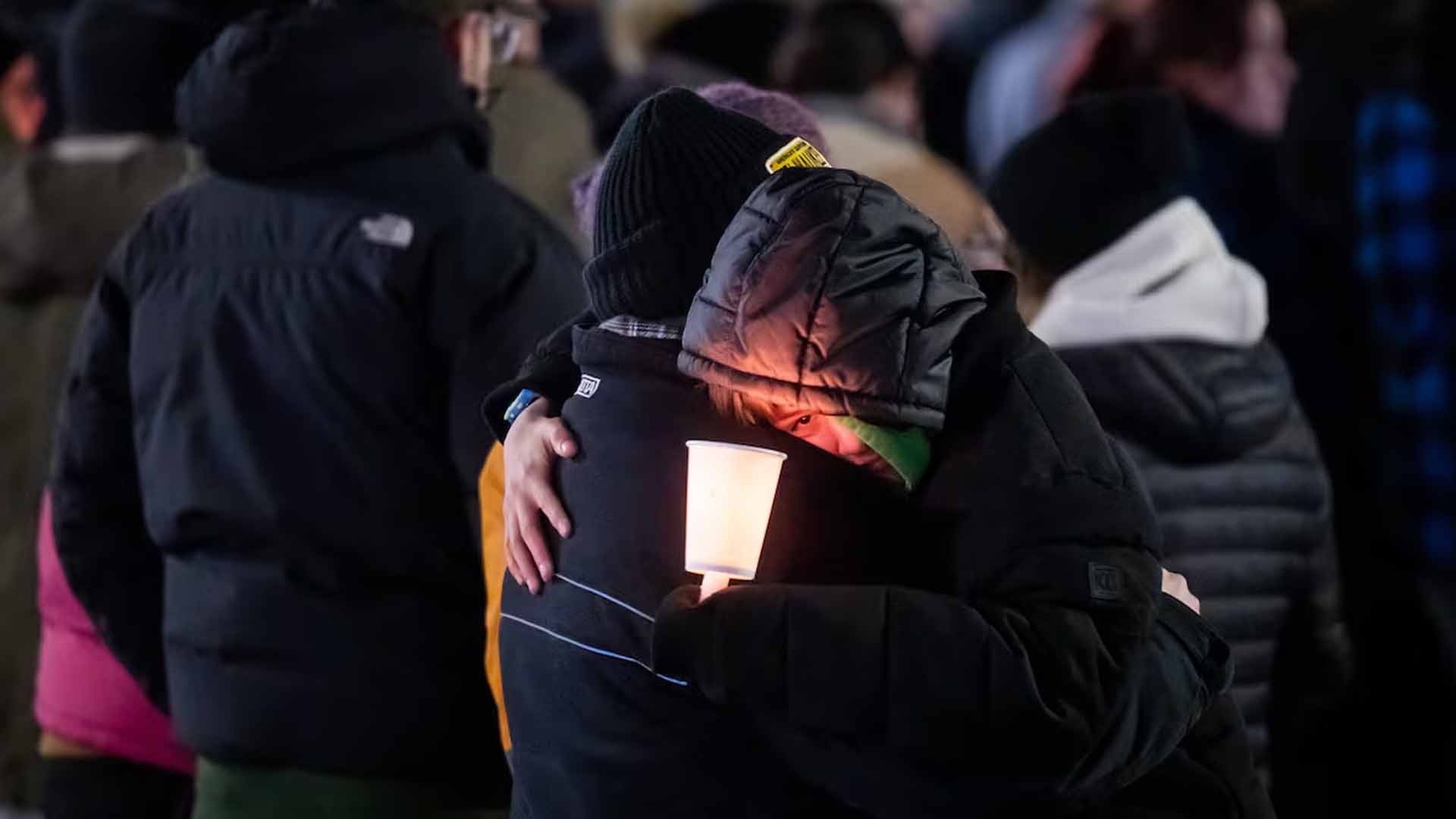
Some days, the news feels almost impossible to take in as an adult.
School shootings, Terror attacks. Violence. Wars. Political chaos. Economic uncertainty. Climate anxiety.
It’s heavy. And honestly, it can feel overwhelming even for us.
Which raises a really important question for parents:
How do you talk to your kids about a world that can sometimes feel so broken?
At first, most of us try to shield them. And that’s natural. There’s wisdom in protecting childhood innocence.
But here’s the reality: You can’t shield your kids forever, and you shouldn’t try to. Over-shielding kids, rather than equipping them, creates fragile kids.
Because one day they’ll encounter the world for themselves and you need to equip them. They’ll hear things at school. They’ll see things online. They’ll ask questions you didn’t expect.
And when that moment comes, they don’t just need protection. They need guidance and the ability to learn to lead themselves as adults.
Here are a few principles that can really help.
1. Don’t Give Easy Answers to Hard Questions
When something tragic happens, it’s tempting to reach for quick, reassuring lines.
“Everything will be okay.”
“Don’t worry that would never happen to us.”
“God won’t let anything bad happen.”
The problem with this approach is that kids are perceptive, and over time, they learn the difference between comforting words and the honest truth. While they might make the questions go away, simplistic answers don’t actually build trust; they can erode it.
Sometimes the most honest and helpful response is simply:
“I don’t know.”
“That’s really hard to understand.”
“I struggle with that too.”
Honesty doesn’t weaken faith. It actually creates space for deeper faith.
2. Start with Empathy
When kids react to tragedy, they often feel fear, sadness, or confusion. Before they need explanations, they need connection.
It’s okay to say:
“That’s really heartbreaking.”
“That makes me sad too.”
“Yes, that is scary. Even grown-ups feel scared sometimes.”
You don’t have to fix their emotions. You can’t always change them anyway. But when you validate what they feel, you help them learn that emotions are safe to talk about and not something to hide or ignore.
Take some time to listen, talk, and pray with them, age appropriately and honestly.
3. Point Them Toward a Hope Bigger Than the Newsfeed
Being honest and empathetic doesn’t mean leaving kids without hope. In fact, this is where one of the most important conversations can begin. The opportunity to equip them with hope.
Because while the world can feel chaotic and uncertain, the Christian story tells us something very different about ultimate reality:
There is a God who is bigger than violence.
Bigger than politics.
Bigger than fear.
Bigger than human evil.
The story of Scripture doesn’t pretend life is easy. In fact, it’s incredibly realistic about suffering and brokenness.
But it also tells us something else: Evil does not win in the end. Good wins. God wins.
That doesn’t mean everything will always go the way we want. God isn’t a vending machine or a magic button we push. Our hope isn’t in perfect circumstances. Our hope is in a relationship with a faithful God.
And when kids begin to understand that, even in small ways, they gain something incredibly powerful: The ability to face a broken world without being crushed by it.
This Matters So Much Long-term
When you help your kids navigate tragedy this way, you’re doing more than answering questions. You’re shaping how they will interpret reality for the rest of their lives.
You’re teaching them: To be honest about pain, to stay tender-hearted in a hard world, and to hold onto hope even when the world feels dark.
I’ve had the privilege of being mentored by our Founder, Carey Nieuwhof, over the years and have borrowed some of these thoughts from him. One of the things he’s reminded me of often is that while the brokenness in our world is always with us, the hope of Jesus is always available to us. That good wins in the end. And if we point our kids to that, we’re setting them up for a lifetime of hope and meaning in Him.
